Choosing the Best Roofing Materials for Idaho's Climate
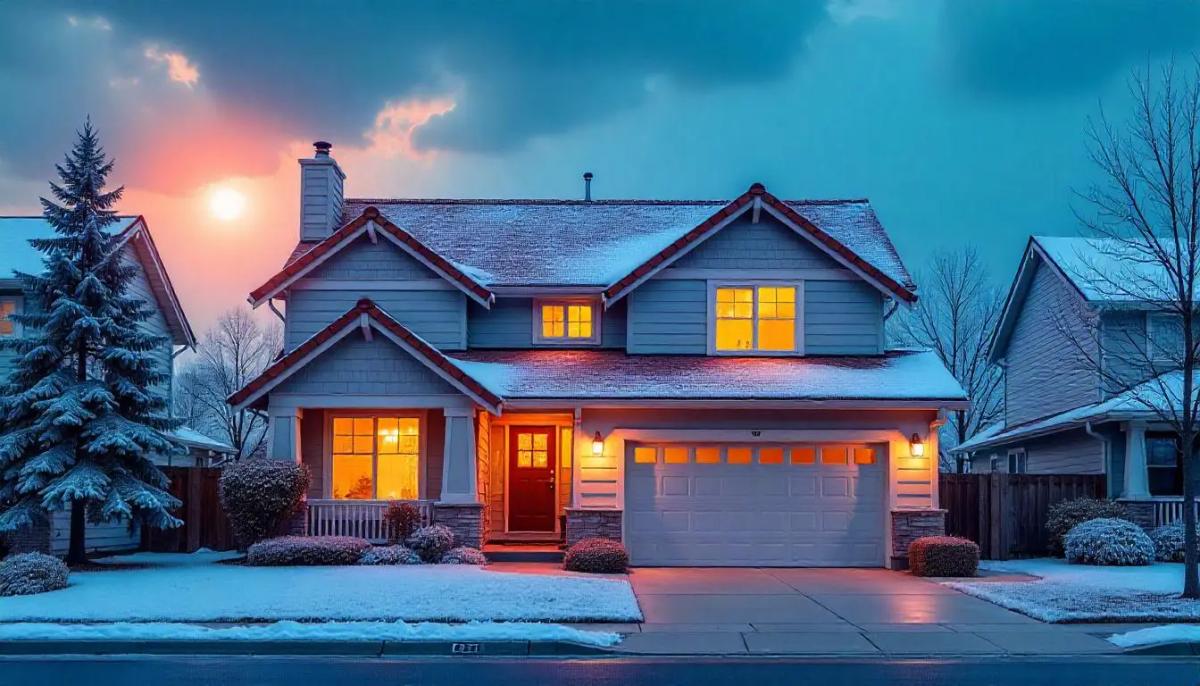
Selecting a roof isn't simply about looks. It's a big deal when thinking about the comfort and safety of your home, and you want the best roofing materials climate that fits. You need the right roof for your specific location and the kind of weather experienced through all four seasons.
Your roof must stand up to what Mother Nature throws at it. Think of it like choosing the right clothes and accessories to prepare you for changing weather.
Table of Contents:
- Why Climate Matters for Roofing
- Considering Temperature and Weather Extremes - Best Roofing Materials Climate Choices
- Hot and Dry Climates
- Hot and Wet Climates
- Cold and Dry Climates
- Cold and Wet Climates
- Moderate Climates - Specific Roofing Materials
- Asphalt Shingles
- Metal Roofing
- Slate Roofing
- Composite/Synthetic Roofing - Making the Choice
- Conclusion
Why Climate Matters for Roofing
The climate in your area significantly impacts how long your roof will last. The right roofing materials are your primary defense against the elements.
Constant rain can lead to moisture problems, even on expensive roofing. Consistent moisture can weaken your roof's integrity, potentially causing water damage issues that need professional roofing services.
Choosing the right material impacts how your home manages temperature. Some roofing options absorb more heat, possibly increasing your cooling bill.
Considering Temperature and Weather Extremes
Areas with significant temperature swings need roofs that won’t crack easily. Some roof materials can contract with temperature changes, which can weaken them over time.
Consider how often it rains or snows where you live. Regular wet weather might lead to moisture buildup.
In places with heavy snow, you must be aware of the weight your roof can handle. Snow can weigh up to 20 pounds per cubic foot, putting immense pressure on your roofing structure, potentially leading to a need to prevent roof collapse due to the accumulated weight.
Best Roofing Materials Climate Choices
Different climates require different roofing materials. Each region has its own needs, so think carefully about these recommendations to decide what's best for your property.
Understanding local weather is the first step. With various roofing types to consider, knowing your typical weather conditions will significantly narrow your material options.
Hot and Dry Climates
Metal roofs work great in hot and dry climates because they reflect sunlight, reducing heat buildup. This can lower AC costs during summertime. Metal roofs are a great option due to their heat resistance and durability in high temperatures.
Clay tiles are another great solution because they resist heat. Clay has good thermal resistance, so they withstand high temperatures for many years. Clay tile roofing is a practical roofing option.
Light-colored roofs help lower heat absorption. Less heat absorption could mean energy savings, making them a better choice than standard asphalt shingles in hot climates.
Hot and Wet Climates
Coated metal roofing, like steel or aluminum, is a common suggestion for hot and wet areas. These surfaces handle moisture and lots of rainfall without rusting. They are durable roofing options designed to offer excellent corrosion resistance, particularly in areas prone to suffering damage from high humidity.
Concrete tiles are a good choice, too. These tiles handle high humidity well over a long period.
Asphalt shingles are common, but synthetic roofing materials are better for hot climates. Roofing made of recycled plastic and rubber is durable and lightweight.
Cold and Dry Climates
Asphalt shingles provide reliable insulation and are cost-effective. Consider the overall cost versus durability.
Metal roofing, especially standing seam metal, works well in cold weather and snow. These roofs help shed snow, reducing the risk of roof collapse from the weight of heavy snow. Choosing roofing materials like these ensures long-lasting protection in severe weather.
Fiberglass asphalt shingles are a common roofing option, providing good performance in cold climates. These shingles are relatively lightweight yet strong, making them suitable for handling moderate snow loads.
Cold and Wet Climates
Areas with low temperatures and rain need materials to prevent water from entering. Otherwise, bigger problems can arise in such severe weather events.
Slate is resilient and handles snow very well. Properly installed metal roofing, with effective insulation, also handles low temperatures by preventing ice buildup.
Slate roofs, crafted from natural stone, stand out due to their ability to resist damage from both heavy snow and ice accumulation, as well as freeze-thaw cycles common in these environments. In areas prone to weather events like these, roofing slate roofing or slate tile is ideal.
Moderate Climates
Mild temperatures give homeowners multiple options, offering flexibility. Asphalt shingles are standard in moderate climates because of their cost and style variety.
However, standard shingles only last about 15-30 years. Metal, concrete, and clay also hold up well.
These provide good value and insulation in moderate climates. They can offer better wind resistance, making them ideal for areas with occasional strong winds.
Specific Roofing Materials
There are differences in value and lifespan, even with typical shingle options. Here's a comparison between asphalt and slate roofing.
Asphalt Shingles
Asphalt is popular because of its lower cost. If installed, these usually run about $75 to $200 per square foot.
However, their lifespan is shorter than more expensive options. Standard shingles generally last 15-30 years before needing replacement.
New architectural asphalt shingles perform better in windy conditions. For reference, wind speeds can cause damage above 45 mph, which standard shingles might struggle with.
Metal Roofing
Metal roofing has increased in usage recently. While only 3.7% of roofs were metal in 2000, a recent report by Dodge Data and Analytics puts the metal roofing market at 14%.
This may be due to its sustainability. Many metal roofs are manufactured from recycled materials, such as old cans.
Metal roofing, built from aluminum, copper, and steel, has "dead" air between panels. This airspace acts as a buffer, reducing heat transfer compared to asphalt shingles. The environmental impact of choosing metal roofs is also often lower, due to their recyclability and longevity, helping you save money over the long term.
Slate Roofing
Slate has a premium price but offers longevity. Installation costs run about $1,100 to $2,000 per square foot.
But that upfront cost pays off. Homeowners often find slate roofing lasting over 75 years. Some slate installations have shown resistance to winds up to 160 mph.
When you need service from qualified roofing contractors, be sure they have the experience to give you the support you need.
Composite/Synthetic Roofing
New research is exploring roofing materials with recycled compounds. Composites made with plastics can mimic the look of slate tile or natural stone.
Experts are hopeful about their longevity based on simulations. Early tests suggest long-term durability.
Engineers build these with a Class 4 Impact Rating. This is the highest grade in the field, which is important when considering roofing options. Eco-friendly synthetic roofing is also a great option for those looking to minimize their environmental footprint, blending durability with sustainability.
Making the Choice
Making informed decisions goes beyond budget. It’s essential to factor in durability and resistance to the elements.
The main thing to consider is that climate affects longevity. Thinking carefully can help you choose correctly between the best roofing options.
Conclusion
Choosing the best roofing materials climate is a complex task that depends on various factors. Consider all elements, especially balancing your budget against the expected lifespan and weather resistance. By doing so, you will find the right roofing material that meets your needs, protecting your home. Here we could also suggest you Roof Replacement Guide – Costs, Materials, and Tips.
About the Author

Mark Franklin
Roof Rescue Owner
Mark Franklin, owner of Roof Rescue in Idaho Falls, Idaho, has been a trusted name in roofing since 2014. Serving Idaho, Montana, Wyoming, and Utah, Roof Rescue specializes in commercial and residential roof replacement and installation. Recognized for community initiatives like the "Operation Roof Rescue" program, which provides free roofs to local heroes, Mark combines professionalism with a passion for giving back. With 16 years of industry experience, an A+ Better Business Bureau rating, and glowing customer reviews, Mark's leadership embodies quality and community-focused service.
Related Posts
How to pick the right roofing companies in Idaho Falls
Picking a roofer shouldn’t feel like roulette. You want someone who shows up, does the work right, and backs it up. Idaho Falls has plenty of options, and that’s the problem. The good ones blend in w...
What Is the Lowest Pitch for a Shingle Roof? Key Insights Explained
Introduction to Roof Pitch and Slope If you have ever wondered what is the lowest pitch for a shingle roof, the answer matters more than you might think. Your roof slope decides which roofing mat...
Essential Roof Flashing Guide to Protect Your Home
Introduction: Your Roof's Unsung Hero Roof flashing is your home’s first line of defense against leaks. It’s not just another roofing component - it’s what keeps water from seeping into those cri...